Railway plan for Pori–Parkano–Haapamäki shelved after feasibility study
A government-commissioned feasibility study for the Pori–Parkano–Haapamäki railway estimates construction costs at about 1–1.3 billion euros with modest returns, prompting authorities to halt further planning.
Väylävirasto announced that a government-commissioned feasibility review of the Pori–Parkano–Haapamäki railway shows construction costs would run to about 1–1.3 billion euros and returns would be modest, leading the agency to recommend not continuing with planning for the project.
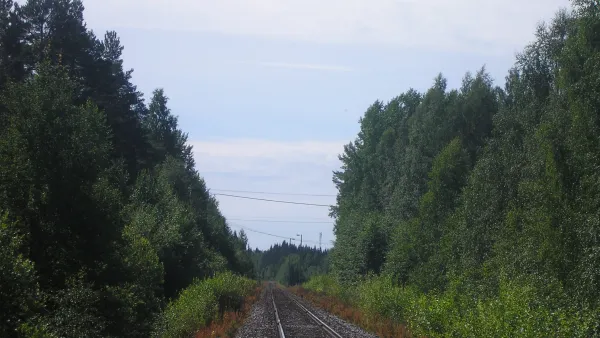
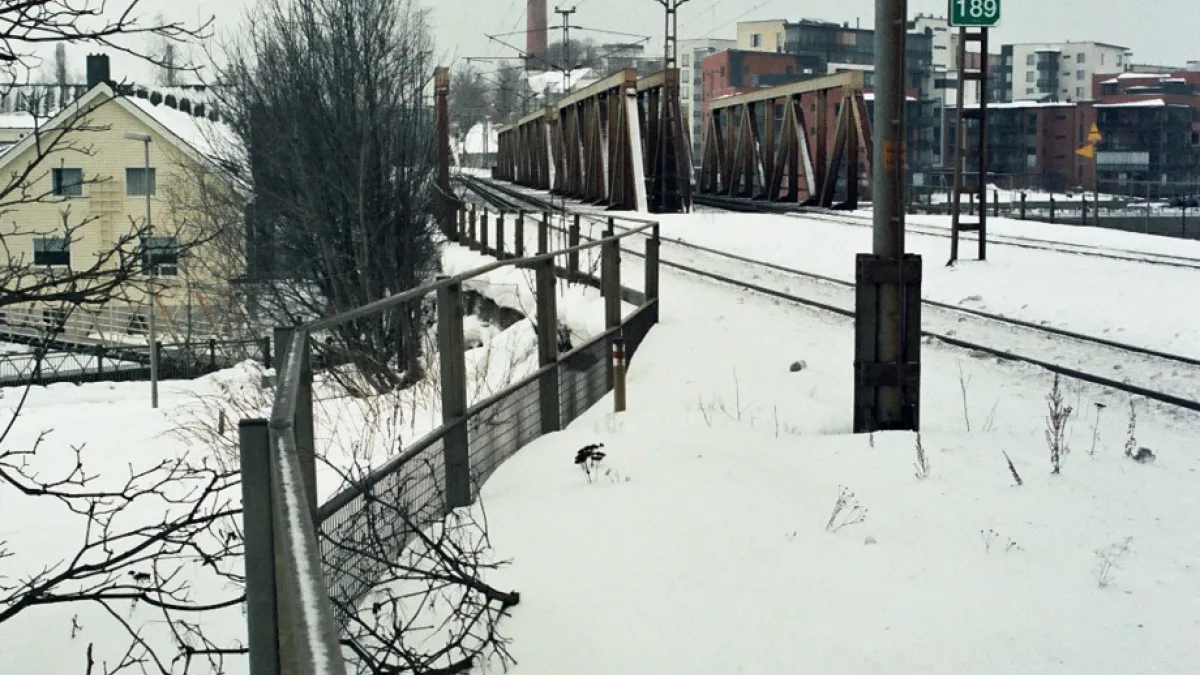
The 194-kilometre line was largely closed in 1985, and only a short segment between Porin Aittaluoto and the Parkano–Niinisalo area remains in service. The corridor has not been maintained for decades, and any future use would effectively require rebuilding large portions of the track, including bridges, embankments, drainage, and track structure with electrification.
According to YLE, the corridor has not been maintained for decades because of low usage, and its condition has deteriorated significantly. Väylävirasto’s assessment emphasizes that reopening would effectively require rebuilding large portions of the track, and because the corridor lies amid settlements and long-developed land use, extensive noise mitigation, vibration and structural concerns would be required, and many level crossings would need to be replaced with bridges or alternate road arrangements.
Freight demand would be small, with much traffic likely continuing to move via the Tampere–Pori line from the east. Passenger demand would be limited absent substantial public funding, and any passenger service would require a major subsidy package.
Environmental and land-use considerations complicate the project. Noise mitigation would be extensive, there are numerous level crossings, and implementing the plan would likely involve extensive land acquisitions and changes to local road networks, potentially increasing travel distances for some users. Even with the current alignment, top speeds would be limited to about 80 km/h; achieving passenger speeds of 140 km/h would demand substantial re-routing, bridges, and possibly tunnels, with significant emissions consequences.
From a societal perspective, the project would be markedly unprofitable, with a negative societal return of at least 550 million euros. Väylävirasto therefore does not recommend continuing the planning of the Pori–Parkano–Haapamäki railway. The work was conducted under a parliamentary mandate with dedicated funding, with Afry handling traffic feasibility, Sitowise the technical review, and Sweco the project appraisal, all under Väylävirasto supervision; the reports are published alongside the announcement.
Catch the full story over at ePressi