Rugosa Roses Persist in Nokia Years After Cultivation Ban
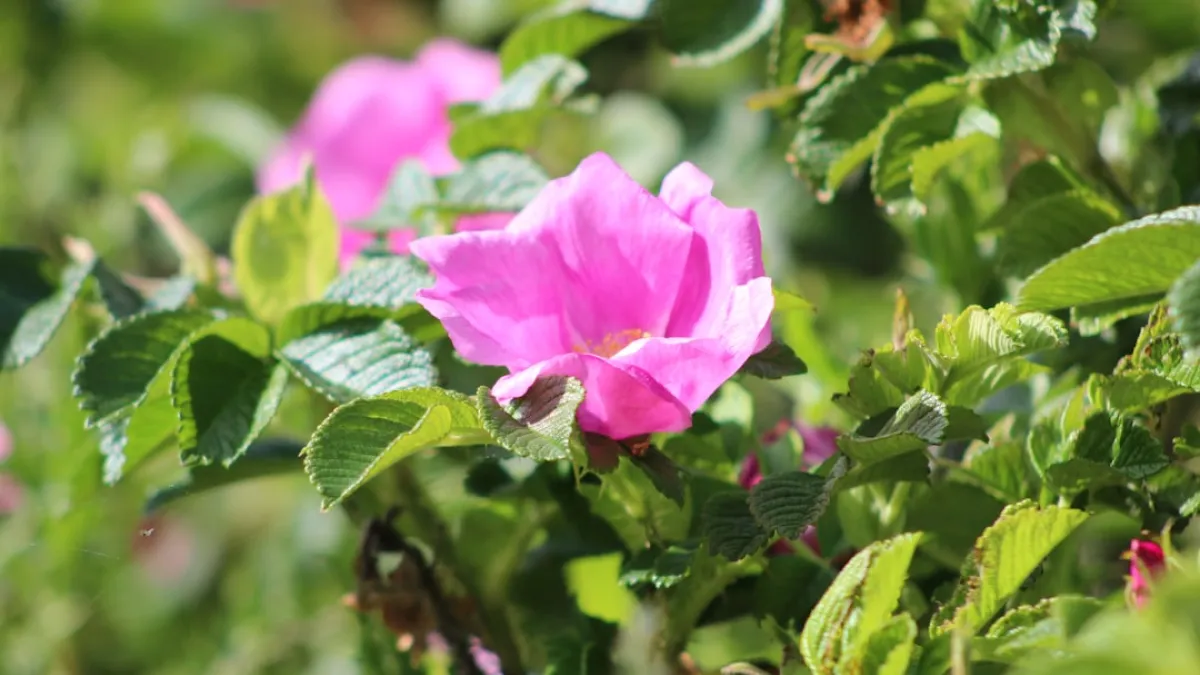
Nokia still has dozens of rugosa rose occurrences across the city despite a cultivation ban that took effect years ago.
YLE reports that Nokia still has dozens of rugosa rose occurrences across the city despite a cultivation ban that took effect years ago. Municipalities are major landowners and often tackle invasive species as part of routine green-space work, but resources are limited, says Päivi Paavilainen, environmental director at the Association of Finnish Municipalities.
Researchers at the Natural Resources Institute Finland (Luke) warn invasive plants are strong competitors for space and can spread quickly. Even when removed they are hard to eliminate. They highlighted rugosa rose, lupine, Himalayan balsam and certain spireas.
Four years ago many rugosa roses remained after the ban’s three-year transition. The situation has improved but the plants persist in parks, road verges and private yards. Antti Sorvali, Nokia's maintenance manager, says the city still counts "tens of occurrences," ranging from very small patches to larger stands. The city prioritises sites with high nature value. Roses often require heavier machinery to remove, while lupines and balsam can be pulled by hand.
Leena Hamberg of Luke urges landowners to control invasives on their own property and to report sightings to the national invasive species reporting site, Vieraslajit.fi. Municipalities can hire contractors, but that is costly and strains maintenance budgets. Nokia is also organising community weeding events this summer to target Himalayan balsam and other species. Officials advise specific disposal methods depending on whether plants are flowering.
The events follow recent volunteer removal days in Tampere parks where local politicians joined volunteers and build on practical advice offered in a free Sampola lecture for residents on dealing with harmful invasive species earlier this month.
Earlier coverage
Catch the full story over at YLE