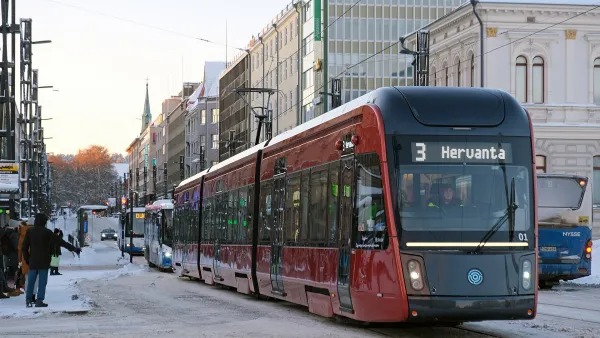
Trams get signal priority across Tampere, city confirms
Tampere trams are granted priority at traffic lights as part of the system's original design; about 60 signal locations manage tram priority and trams only rarely stop at red lights except during faults or delays.
Tamperelainen reports that Tampere trams are granted priority at traffic light intersections, a rule built into the system during planning. City traffic planners and the tram operator say this is delivered through dedicated public-transport signal displays, so trams normally only stop at designated stops rather than at red lights. Emergency vehicles always take precedence. There are just over 60 signal locations on the network where tram priority is managed, and occasional delays or signal faults force trams to stop at lights only a few isolated times each day, operators said.
Planners point to capacity as the main justification. A modern Tampere tram can carry about 250 passengers, the equivalent of roughly 170 cars at typical occupancy. Keeping tram movements swift reduces the need for extra vehicles and helps protect timetable reliability and transfer connections. Where trams share lanes with rubber-tyred traffic, they follow the same traffic lights as other vehicles.
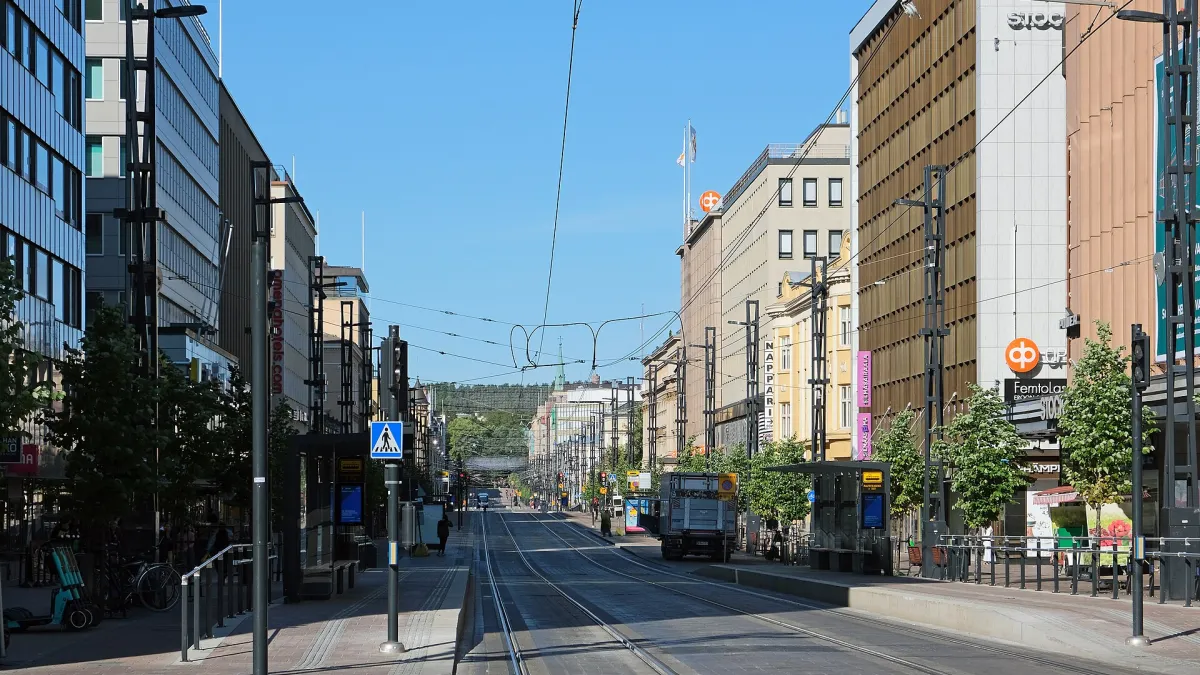
The priority system follows recent municipal changes to how tram crossings are marked and signed. The city has been converting many signal-controlled tramway crossings into marked pedestrian crossings while excluding Hämeenkatu from the current programme the city's May decision on crossing conversions. Earlier coverage also noted the tram’s role in shaping local development and its wider impacts on housing and travel patterns coverage of the tram’s influence on housing growth.
Earlier coverage
Catch the full story over at Tamperelainen