Residents Cite Safety, Transfers and Limited Coverage for Avoiding Tampere Tram
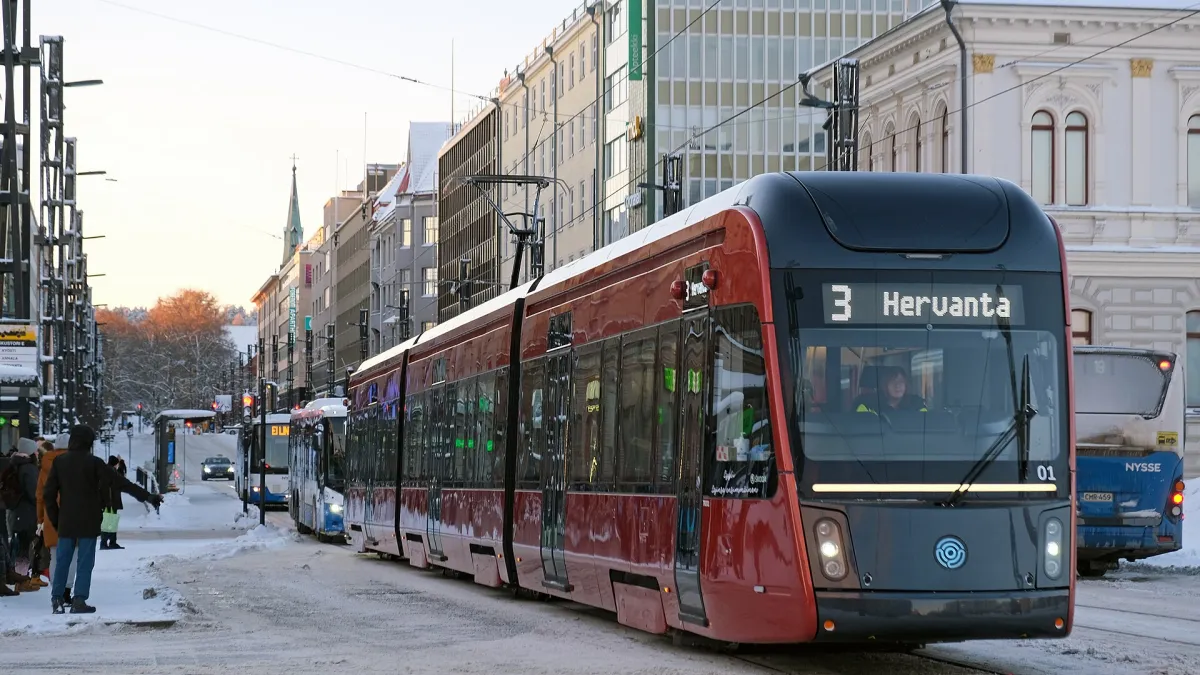
Even five years after opening, many Tampere residents still avoid the city tram, citing limited coverage, extra transfers, safety and accessibility problems.
Even five years after services began, many Tampere residents still avoid the city tram. In interviews with Tamperelainen, locals said the system simply does not work for their daily trips or creates new problems.
Interviewees said limited route coverage and additional transfers lengthen journeys, and the removal of cash payments has put off habitual cash users. Several raised safety and accessibility concerns. One person said they had fallen on the tram four times and once broke an arm. Wheelchair users reported doors and platform gaps can trap wheels, and others described driver confusion over accessibility procedures. A separate consumer study found 91 percent of Tampere residents view the tram positively, a contrast between broad approval and vocal critics.
Other frequent complaints focused on construction disruption, increased traffic congestion where trams have priority, and the high cost and rigidity of rail infrastructure. Some argued electric buses would have been more flexible and economical. Others prefer buses or ride-hailing for door-to-door convenience, and a number of interviewees said existing bus connections in areas like Hervanta remain their preferred option.
The complaints come as the system marked its fifth anniversary after about 79 million journeys reported in our five-year ridership update.
Earlier coverage
Catch the full story over at Tamperelainen