Arts help young people turn climate anxiety into action, thesis finds
Arts-based activities can help young people build hope and strengthen climate resilience. The thesis will be publicly defended on 23 October in Rovaniemi.
Between 2022 and 2025, arts-based action research funded by the Kone Foundation examined youth responses to climate change. The project ran three participatory research cycles with young co-researchers and artists from Lapland, Eastern Finland and Pirkanmaa, using community art, site-specific learning and Arctic renewal art approaches. Aki Lintumäki led the study.
The research finds creative practice lets young people process climate-related feelings and thoughts bodily, materially, communally and politically, and that such engagement can turn passive anxiety into activist activity grounded in values and positive future images. It can turn anxiety into action. "Young people should have opportunities to process feelings about climate change together and take part in conversations and actions about their future," Lintumäki said.
The thesis identifies three linked arts-based methods to foster climate resilience: a place-based, new-materialist approach tying meaning to places and materials; public artistic events co-organised with youth to enable interaction with communities and institutions; and facilitation that supports participation, artistic work and a sense of belonging. The methods are seen as applicable beyond visual arts education, including youth work, NGOs, social services and education.
The doctoral thesis Toivo itse tehtynä (Hope Made by Oneself) will be examined at the Faculty of Arts at the University of Lapland; Leena Knif of the University of Helsinki serves as opponent and emeritus professor Timo Jokela as custodian. He now works as a researcher at Southeast Finland University of Applied Sciences (Xamk) in the Youth Research and Development Unit Juveni.
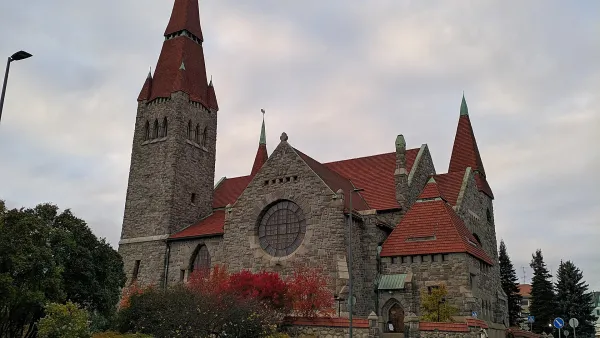
The findings echo developments in Tampere, where community art and cross-sector youth work are being used to strengthen young people’s wellbeing and resilience, such as recent neighbourhood-led community art projects taking root across Tampere this autumn and the city’s youth wellbeing ecosystem launched earlier this year setting measurable goals for 18–28‑year‑olds.
Earlier coverage
Catch the full story over at ePressi